What Causes Mini Fridge Noise Cooling Problems?
A mini fridge is useful in bedrooms, dorm rooms, offices, garages, apartments, and small living spaces. When it starts making noise, stops cooling, leaks water, or feels warm inside, the problem can affect food storage and daily convenience.
Mini fridge repair helps homeowners fix cooling, power, fan, compressor, thermostat, and seal problems before the appliance fails completely. Understanding the common causes can help you know when simple troubleshooting is enough and when professional service is needed.
Why Mini Fridge Problems Should Not Be Ignored?
A mini fridge not cooling problem can develop slowly or happen without warning. The fridge may still run, but the inside temperature may not stay cold enough for drinks, snacks, medicine, or food.
Small cooling problems can become bigger when the appliance keeps running without reaching the right temperature. Fast attention can help protect the compressor, fan, thermostat, and electrical parts.
When the Mini Fridge Stops Working?
A mini fridge stopped working issue can come from a power supply problem, failed compressor, bad thermostat, damaged cord, or internal electrical failure. Sometimes the fridge may look dead with no sound, light, or cooling.
Before assuming the appliance is broken, check the outlet, plug, breaker, and temperature setting. If the fridge still does not respond, a technician can inspect the unit safely.
Common Noise Problems
A mini fridge making noise can be caused by a vibrating cabinet, loose parts, dirty fan, worn motor, compressor strain, or uneven placement. Some humming is normal, but loud rattling, buzzing, grinding, or clicking should be checked.
Noise often becomes worse when the fridge is placed too close to a wall or sits on an uneven floor. If adjusting the position does not help, the sound may come from an internal part.
Power Supply Issues
A mini fridge power problem can stop the appliance from cooling or turning on. The cause may involve a loose plug, faulty outlet, damaged cord, tripped breaker, or internal wiring issue.
Power problems should be handled carefully because they can affect safety. If you notice burning smells, sparks, or repeated power loss, stop using the mini fridge until it is inspected.
Water Leaks Around the Fridge
A mini fridge leaking water problem can happen when condensation builds up, the drain area clogs, frost melts, or the door seal fails. Water may appear under the fridge, inside the cabinet, or near the back of the unit.
Leaks should not be ignored because moisture can damage flooring, furniture, and electrical parts. Cleaning visible water and checking the door seal can help, but repeated leaks need repair service.
Warm Interior Problems
A mini fridge warm inside issue means the appliance is not removing heat properly. This can happen because of poor airflow, thermostat failure, compressor trouble, fan failure, or a damaged door gasket.
A warm mini fridge can make food unsafe if the temperature stays too high. If the fridge feels warm after several hours of running, it should be checked.
Compressor Trouble
A mini fridge compressor problem can cause weak cooling, loud humming, clicking, overheating, or complete failure. The compressor is one of the most important parts because it helps move refrigerant through the cooling system.
Compressor issues usually need professional diagnosis. Replacing or repairing compressor-related parts requires the right tools and experience.
Thermostat Problems
A mini fridge thermostat problem can cause the appliance to run too warm, too cold, or not at all. The thermostat controls when the cooling system turns on and off.
If the temperature setting does not change the cooling level, the thermostat may be faulty. A technician can test the part and confirm whether replacement is needed.
Fan Failure
A mini fridge fan not working problem can reduce airflow inside the unit. Without proper air movement, some areas may stay warm while others develop frost.
Fan problems may create noise, weak cooling, or uneven temperature. A dirty, blocked, or damaged fan should be inspected before the cooling problem becomes worse.
Door Seal Problems
A mini fridge door seal problem allows warm air to enter the fridge. This makes the appliance work harder and can lead to frost buildup, water leaks, and poor cooling.
A damaged seal may look cracked, loose, dirty, or flattened. Cleaning the seal may help in some cases, but a worn gasket may need replacement.
Frost Buildup Issues
A mini fridge frost buildup problem can block airflow and reduce cooling performance. Frost may form when the door is opened often, the seal leaks, or the temperature setting is too low.
Too much frost can also make the fridge noisy as the fan works harder. Defrosting may help temporarily, but recurring frost should be checked.
Temperature Control Issues
A mini fridge temperature issue can make the appliance unreliable. Drinks may freeze, food may warm up, or the fridge may shift between cold and warm without warning.
Temperature problems may involve the thermostat, sensor, compressor, airflow, or door seal. Proper diagnosis helps find the real cause instead of guessing.
Mini Fridge Diagnostic & Performance Breakdown
| Appliance Symptom | Core Subsystem Affected | Primary Component Failure |
|---|---|---|
| Warm Interior Problems | Thermal Regulation Loop | De-calibrated Cold-Control Sensor |
| Compressor Trouble | Vapor-Compression Cycle | Seized Piston or Starter Relay Malfunction |
| Fan Failure | Forced-Air Circulation | Bearing Friction or Obstructed Blade Rotation |
| Door Seal Problems | Ambient Thermal Insulation | Loss of Magnetic Gasket Compression |
| Frost Buildup Issues | Evaporator Moisture Management | Incomplete Defrost Cycle or Air Infiltration |
| Temperature Control Issues | Logic & Power Modulation | Drift in Potentiometer Resistance |
Electrical Problems
A mini fridge electrical problem can affect power, cooling cycles, controls, lights, and motor operation. The fridge may turn on and off, trip a breaker, or fail to start.
Electrical issues should not be handled with DIY repairs unless you are qualified. A trained technician can test the appliance safely and prevent further damage.
Cooling System Problems
A mini fridge cooling problem can come from several connected parts. The compressor, thermostat, fan, refrigerant system, door seal, and airflow all affect cooling performance.
If one part fails, the fridge may keep running without staying cold. Professional inspection can help determine whether the repair is practical.
Compact Refrigerator Repair
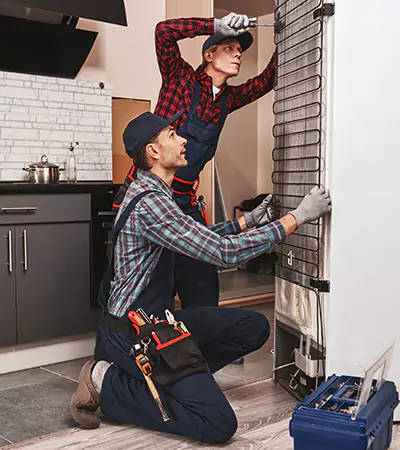
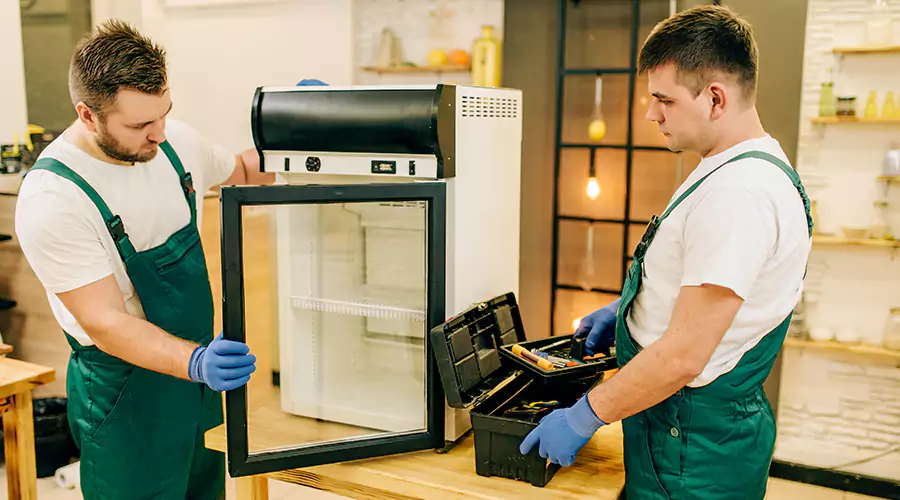
Professional compact refrigerator repair is helpful when a small fridge has cooling, power, or noise problems. Compact refrigerators may be smaller than standard models, but they still use important cooling and electrical components.
Because parts are tightly arranged, service can require careful handling. A technician can inspect the unit without damaging internal components.
Dorm Fridge Repair
Reliable dorm fridge repair is useful for students who depend on a small fridge for snacks, drinks, leftovers, and basic food storage. Dorm fridges often run in tight spaces with limited airflow.
Placing the fridge too close to a wall can make cooling problems worse. If better placement does not solve the issue, repair service may be needed.
Mini Fridge Repair Services
Trusted mini fridge repair services should include inspection, troubleshooting, diagnosis, repair options, and final testing. Clear service helps homeowners understand whether the issue is minor or serious.
A good service provider should also explain repair costs before major work begins. This helps you decide whether repair or replacement makes more sense.
Professional Repair Support
Skilled professional mini fridge repair can help when the problem involves the compressor, wiring, thermostat, fan, or internal controls. Proper service reduces guesswork and helps prevent repeat failures.
Professional repair is especially important when the fridge has electrical symptoms, loud motor noise, or major cooling failure. These signs can point to deeper appliance problems.
Home Mini Fridge Service
Convenient home mini fridge repair allows a technician to inspect the appliance where it is used. This helps them check outlet condition, airflow, placement, temperature setting, and noise behavior.
In-home service can also help determine whether the room environment affects the fridge. Heat, tight spaces, and blocked vents can reduce performance.
Residential Mini Fridge Repair
Quality residential mini fridge repair supports homeowners, renters, students, and families who use compact refrigerators in different parts of the home. A working mini fridge keeps small food storage simple and convenient.
Residential service should focus on safe diagnosis, practical repair options, and clear communication. The goal is to restore dependable cooling without unnecessary work.
Role of a Technician
An experienced appliance repair technician can test the compressor, fan, thermostat, power supply, wiring, door seal, and cooling performance. This helps identify the exact cause of the problem.
A technician can also explain whether the appliance is worth repairing. Some mini fridge issues are simple, while others may cost more than replacement.
Troubleshooting Before Service
Basic mini fridge troubleshooting can help rule out simple problems. Check the outlet, temperature setting, door seal, airflow space, and whether the fridge is level.
You can also remove items blocking vents and clean dust from accessible areas. Avoid opening electrical panels or handling sealed cooling parts without proper training.
Same Day Repair Help
Helpful same day mini fridge repair can be useful when the fridge stops cooling suddenly or starts leaking water. Fast service can reduce food spoilage and prevent water damage.
Same day support is also helpful when the mini fridge is used for medicine, baby items, office drinks, or important daily storage. Quick diagnosis can help restore normal use faster.
Finding Local Mini Fridge Help
Searching for mini fridge repair near me can help you find nearby service when noise, cooling, or power problems appear. Local repair providers may offer faster scheduling and practical advice.
A reliable company should explain the problem, provide a clear estimate, and help you decide whether repair is worth it. Clear answers make the next step easier.
Final Thoughts
Mini fridge noise and cooling problems can come from fan failure, compressor trouble, thermostat issues, frost buildup, bad door seals, leaks, or electrical faults. Some problems are simple, but others need professional testing.
Timely repair can restore cooling, reduce noise, protect stored items, and prevent more serious appliance damage. If basic checks do not solve the issue, schedule a qualified technician before the mini fridge stops working completely.